
Written by: Mackenzie Torstenson
KEY TAKEAWAYS:
- Preparedness for winter is crucial for maintaining cow production and health
- Winter ration adjustments should consider changing energy needs
- Extreme cold will contribute to cow stress, which can be mitigated with nutritional strategies
- Protocols for dairy personnel often require modification in the winter months
Being prepared for every situation that life throws our way always seems to bring a sense of comfort and confidence. Winter for a dairy producer may be the most significant time when being ready is a multi-faceted array of complicated scenarios. Each producer runs through their checklists of feed inventories, winterization of equipment, extra supplies, and building maintenance long before the temperatures start to creep down or the first snowflake flies. But in the preparation of it all, are we, as producers and trusted advisors, doing our part to include the herd in the arrangements as well?
Many times, if anyone was asked that question, the response may indicate that all of the items on the original checklist indirectly pertain to the herd and its readiness for winter to settle in. Is there more to it than that? Are there other ways we can devise a checklist to directly prepare the cows themselves for what may lie ahead during the coldest months of the year?
Winter Ration Adjustments For Dairy Cows
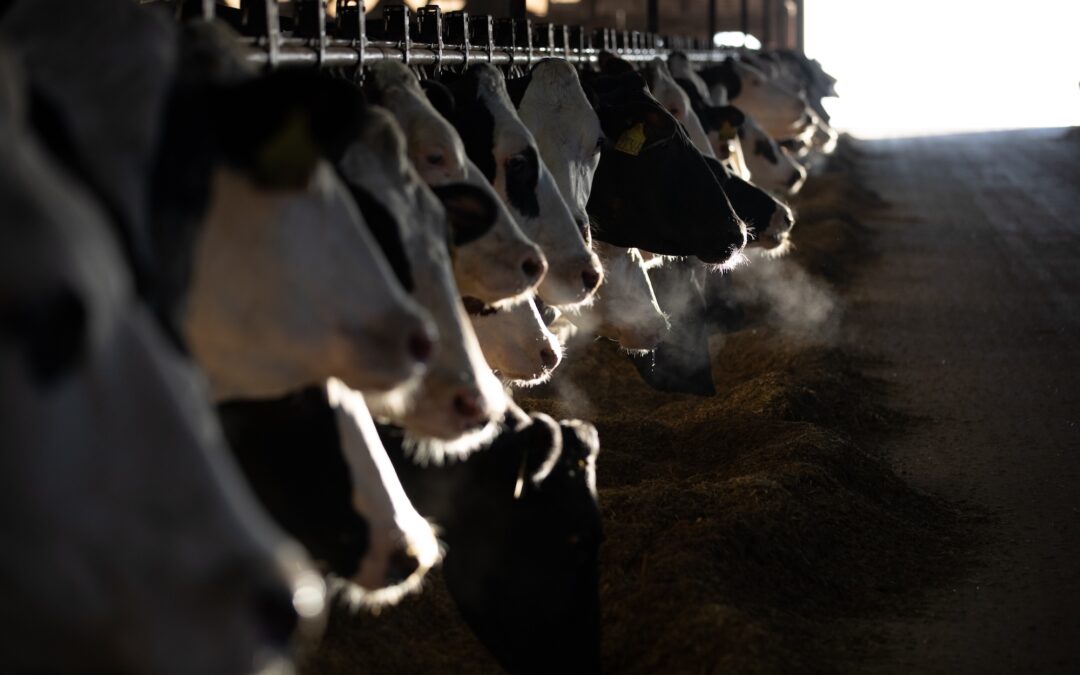
The most significant component to understand is the animals themselves. Recognizing that diet changes need to occur to meet the cow’s needs is essential. During the winter, the energy needs of the cow rise drastically. She is not only focused on working hard to produce milk but now, due to cold temperatures and the calories being burned for her to thermoregulate, it is essential that we increase the energy density of the diet to not only help her regulate her body temperature and keep her producing accordingly but also to help her maintain body condition. Body Condition Scoring is an excellent tool to utilize in all seasons, especially at the start, during, and end of winter. We want the cow to start and finish her lactation at the same condition score, so periodically observing how well the pen is holding, losing, or gaining is a critical way to help predict and plan for success. Dry cows, in particular, are one group that watching body condition score closely is needed. During the winter months, when cows develop thicker coats, it is easy to have weight loss go unnoticed.
During the dry period, while the cow is already working hard to finish developing the calf and start producing colostrum, weight loss can negatively affect the success of the animal herself and her calf. Ensuring the dry cow is maintaining a 3.25 body condition score while consuming a well-balanced, energy-adequate diet helps keep her on the path to success and lowers the risks of issues post-calving.
Managing Cold Stress & Immune Health During Winter
Stress is also a significant nemesis to a dairy cow, especially as she works through what many argue is the most demanding season of the year. If her diet is not balanced to combat elemental factors, the stress load can grow and cause the immune function to be compromised. Producers should be encouraged to consider adding high-quality options that may help boost immune function to keep herd health tip-top. Simplistic pieces may be raising vitamin levels or adding a yeast product to help increase rumen function.
When stress gets in the way, fighting off scenarios such as winter dysentery can be much more costly to the dairy, not only from a treatment standpoint, but also on revenue loss vs. the investment of slightly increased diet costs to prevent issues from occurring.
Winter Herd Management Protocols & Employee Training
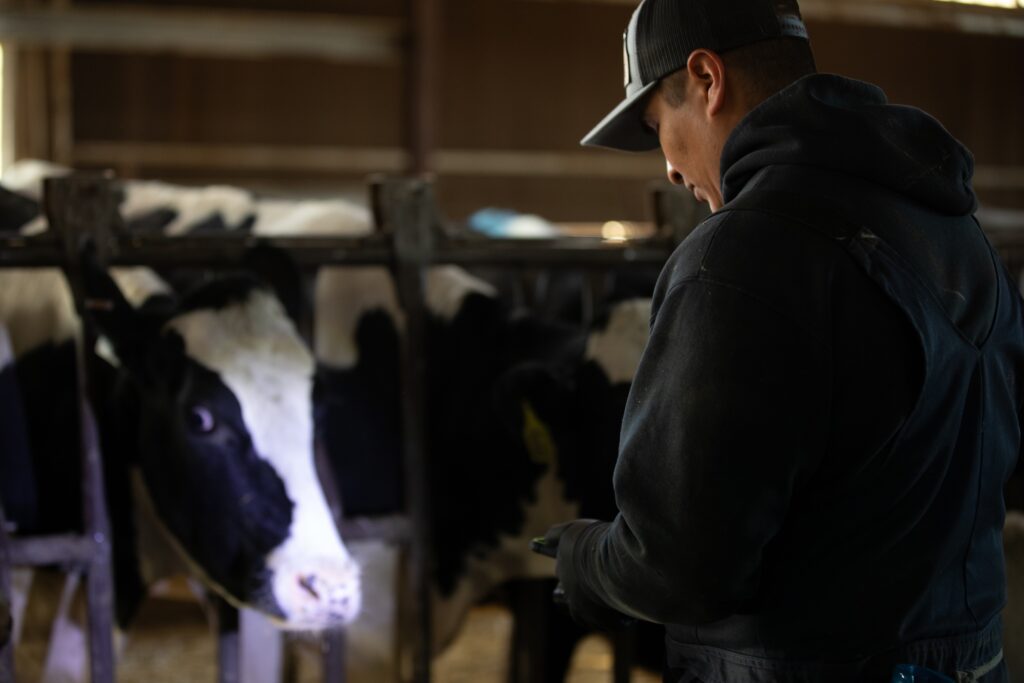
Managing cow stress doesn’t just stop at increasing immune function. Looking at all gamuts of the spectrum are needed and planning how we will manage them on and off the farm is key. How well are faces being managed on bunkers? Is there any heating occurring? Are we managing dry matters appropriately to keep diets correct and consistent despite potential weather-related issues which will add moisture to the forages? Keeping the diet accurate, clean, and consistent will help mitigate stress. If a diet’s accuracy is constantly questioned, stress will follow. Making sure that there are plenty of push-ups occurring, beds are being groomed well, and post-milking prep is being done correctly are also pieces of the puzzle that help lower stress load. Ensuring that each dairy team has protocols to help manage these scenarios is needed.
As consultants, it is our responsibility to work with each dairy to see all planning and preparation come to fruition. Progressively identifying potential problem areas long before they become problematic is essential. Again, developing a cow-specific winter prep checklist is a great way to prepare the dairy for what lies ahead to ensure that we not only are ready for winter, but so are the cows.
Are You Prepared?
When we walk dairies ahead of winter, these are the questions we ask first:
Nutrition & Body Condition
- Has energy density been adjusted for cold stress?
- What is the current BCS of each pen?
- How often will BCS be evaluated during winter?
- Are dry cows maintaining a target BCS of 3.25?
Stress & Immune Support
- Have immune-support additives been reviewed or adjusted?
- What cold stress risks are most likely for this dairy?
- Is winter dysentery prevention part of the nutrition strategy?
Facilities & Team Readiness
- Are bunk faces managed to maintain consistent dry matter?
- Are stalls groomed more frequently during freezing conditions?
- Are milkers trained on winter-specific test dipping protocols?
Standard Dairy Consultants can help.
We understand you measure our value by the results our people deliver. Our experienced team knows how to apply their knowledge to your operation in ways that directly impact your efficiency and performance and, ultimately, your profitability. The only way to be good at what we do is to develop a good working relationship with you. We’re regular fixtures at your farm as we get to know you, your people and your herd.
